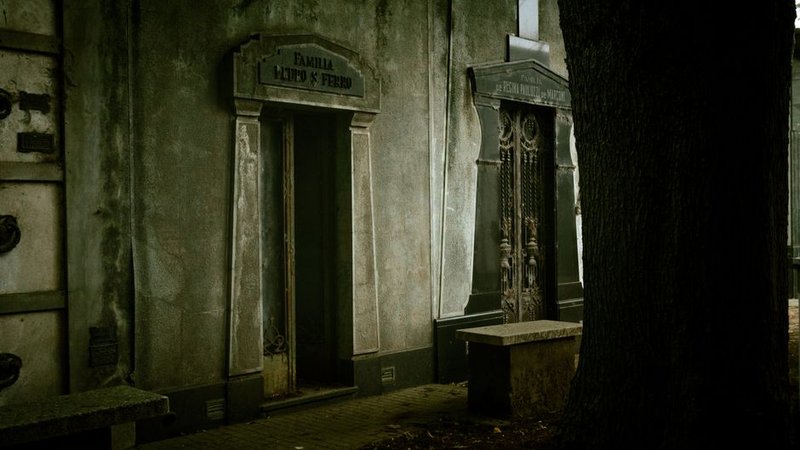
How Footstep Audio Builds Dread In Visage
We isolate the layered footstep and ambient tracks in Visage to show how the game signals danger before a single scare appears on screen.
Our Aswan-based team breaks down what actually makes a horror title unsettling, from ambient audio layers to the timing of every jump scare.
The breakdown on how footstep audio was mixed in that one indie horror title changed how I listen to games entirely. Never seen a site go that deep into sound layering before.
I disagreed with their jump scare ranking for a while, then replayed the game with headphones like they suggested. The tension building through silence was way more deliberate than I'd noticed.
Their atmosphere scoring system is the first one I've seen that actually explains its criteria instead of just vibes. I reference their scale when I write my own reviews now.
Browse our full ranking archive and see how sound design shaped every scare on the list.
A closer listen to what makes horror games work
We score games on tension, pacing, and ambient design before ever touching jump scare frequency, because dread matters more than surprise.
Every review includes a look at audio mixing, silence usage, and directional cues that shape how fear is delivered to the player.
Our jump scare rankings are built from repeated playthroughs and side-by-side comparisons, not a single first impression.
Reader submissions and forum discussion often shape which lesser-known horror titles make it into our next roundup.
A mix of well-known scares and quieter, underappreciated dread
Revisited for its use of silence and camera-based combat, still one of the most atmospheric horror entries analysts return to for pacing lessons.
A top-down survival horror title praised for its ambient sound layering, where every rustle in the trees carries genuine dread.
Examined for its house-based haunting design and how footstep audio and lighting cues combine to build sustained unease.
A short, experimental horror piece analyzed for how its sparse sound design turns an ordinary house into something deeply wrong.
Still referenced as a benchmark for sanity-based tension and how sound cues signal approaching threats without ever showing them.
A claustrophobic deep-sea horror indie noted for its minimalist audio design, where dread comes almost entirely from what you can't see.
Fresh breakdowns from our Aswan analysts
We isolate the layered footstep and ambient tracks in Visage to show how the game signals danger before a single scare appears on screen.
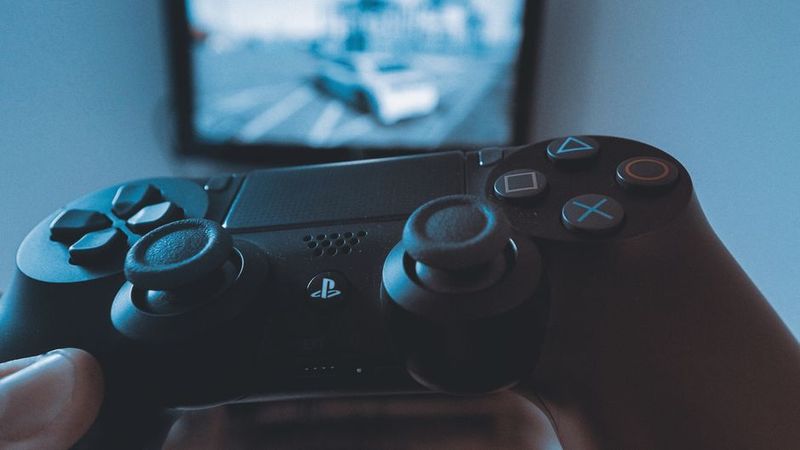
A look at how we reordered our jump scare rankings after replaying six titles with a focus on pacing rather than shock value alone.

This short deep-sea horror title relies on near-total silence. We break down why that absence of sound feels louder than any scare.
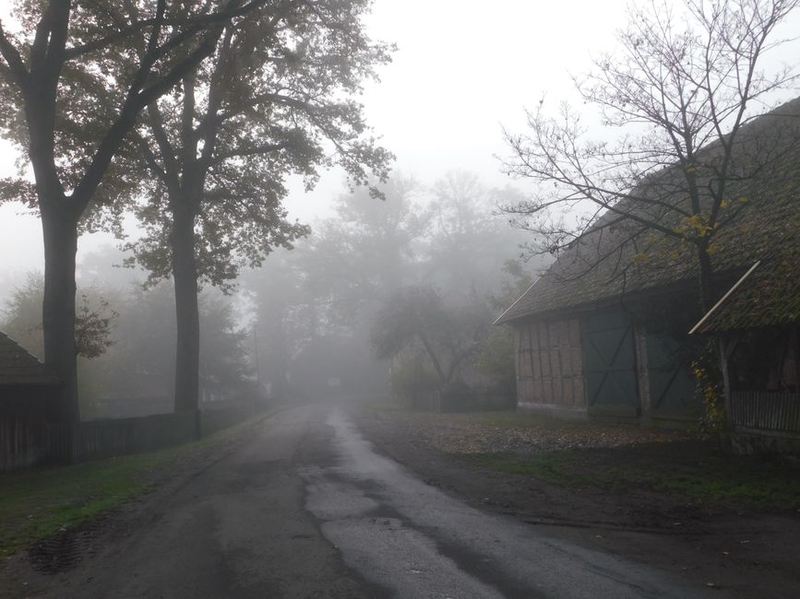
The camera-based combat and fog-drenched village still hold up. We examine what modern horror titles could learn from its restraint.
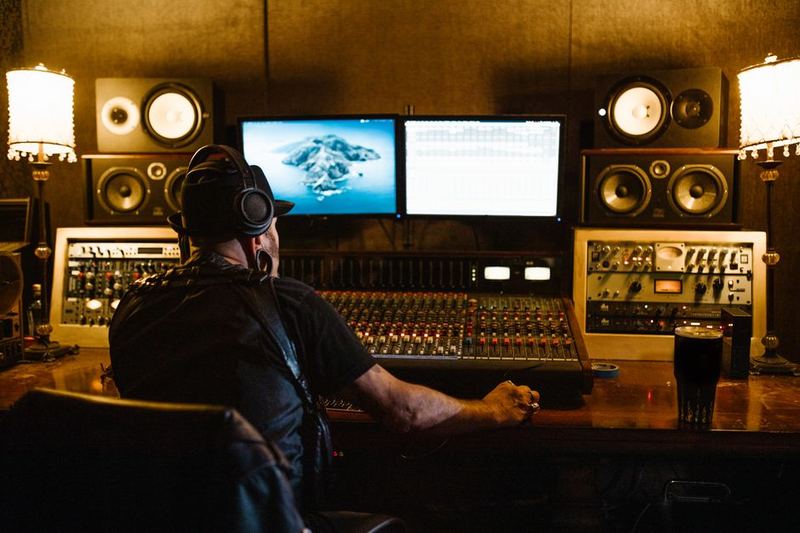
A practical breakdown of directional audio and mixing techniques players can train their ears to notice during a playthrough.